
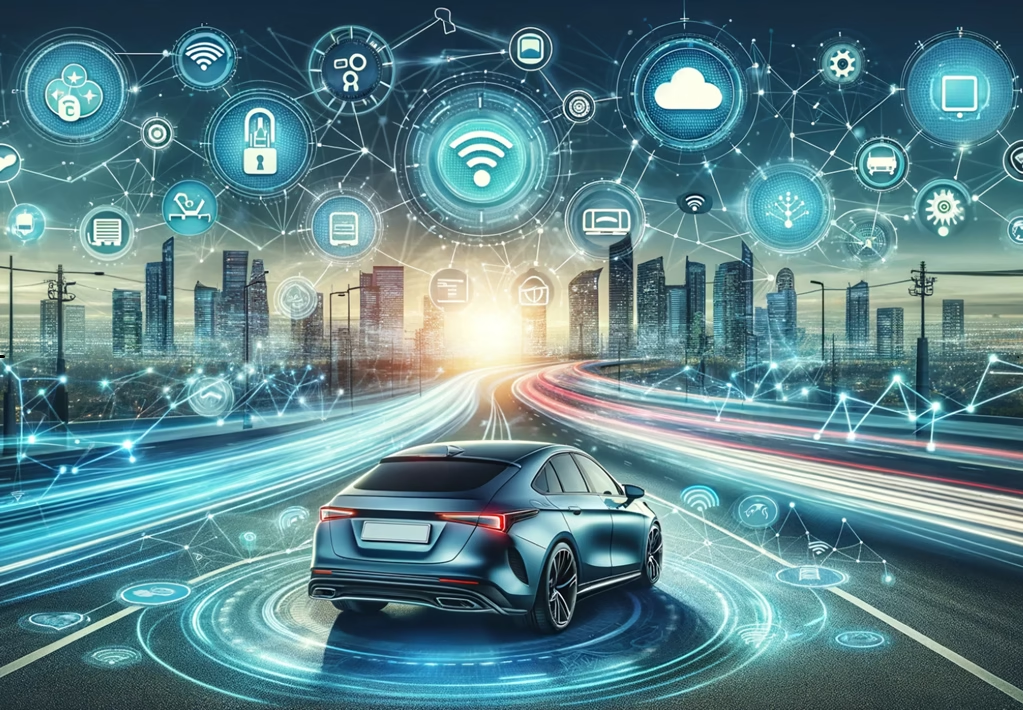

Connected-car services link vehicles with applications, manufacturers and supporting infrastructure. This article originally discussed market forecasts based on 2020 data; those forecasts should not be presented as measured adoption figures for 2026. The focus here is the security of the connected services.
Identify what is connected
Examples include connected navigation, infotainment, remote vehicle functions, emergency assistance and fleet management. The exact features and access arrangements depend on the vehicle, service and subscription. An infotainment application and a safety-critical vehicle function should not be treated as the same system.
Assess the service and its dependencies
Review the vehicle application, user accounts, cloud services, software updates and third-party integrations within an agreed scope. Identify who can access location data, issue remote actions or share information with another service. Limit permissions and remove access that is no longer needed.
For organisations managing a fleet, assign responsibility for supported software, account recovery and incident reporting. Check the manufacturer’s instructions before changing vehicle software or disconnecting functions; an improvised change can affect availability or safety.
Practical steps for drivers
Use supported software and strong account authentication, review the privacy settings of connected services and remove personal accounts and paired devices before transferring the vehicle. Contact the manufacturer or a qualified professional if a security issue is suspected. Do not test attacks on a vehicle or its network without explicit authorisation and appropriate safety controls.
Editorial review: 30 October 2026. Historical forecasts are not used here as current market measurements.